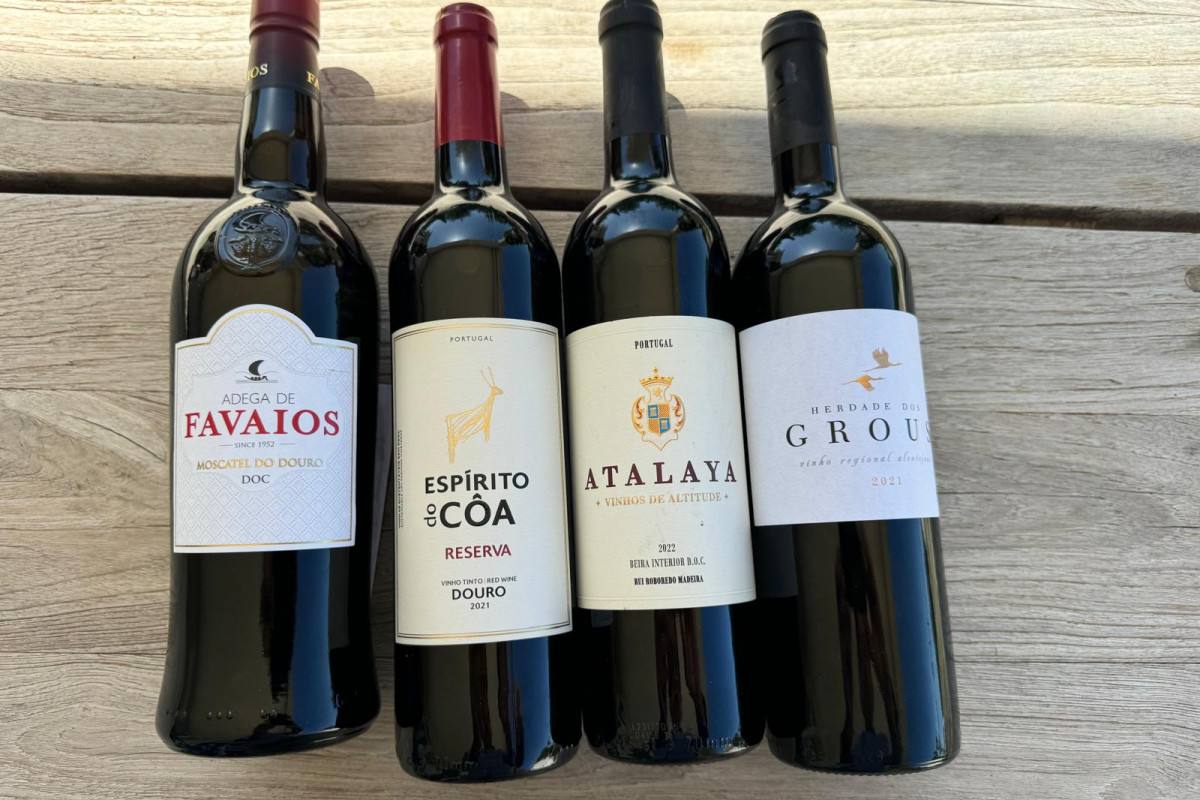
Wine production in Portugal boasts a rich tradition that dates back thousands of years. While the focus has always been on quality and taste, in recent years, we’ve seen a shift in how wine is produced. More and more wineries are embracing sustainability and ethical production processes, leading to an increase in organic and vegan wines. In this blog, we dive into the world of organic and vegan wines in Portugal and discuss the rise of these special categories in supermarket shelves.
What’s the Difference Between Regular, Organic, and Vegan Wines?
Before we dive into the numbers, it’s essential to understand the differences between regular, organic, and vegan wines.
are produced using grapes that may be exposed to chemical pesticides, fertilizers, and other synthetic agents during the growing process. During vinification, animal products, such as egg whites (used for fining the wine), may also be used, which means these wines are not vegan.
are made from grapes grown without synthetic pesticides, herbicides, and fertilizers. The focus is on preserving natural ecosystems and soil health. Organic wine production follows strict guidelines monitored by certification bodies. While organic wines are often vegan, this is not always the case, as animal products can still be used in the fining process.
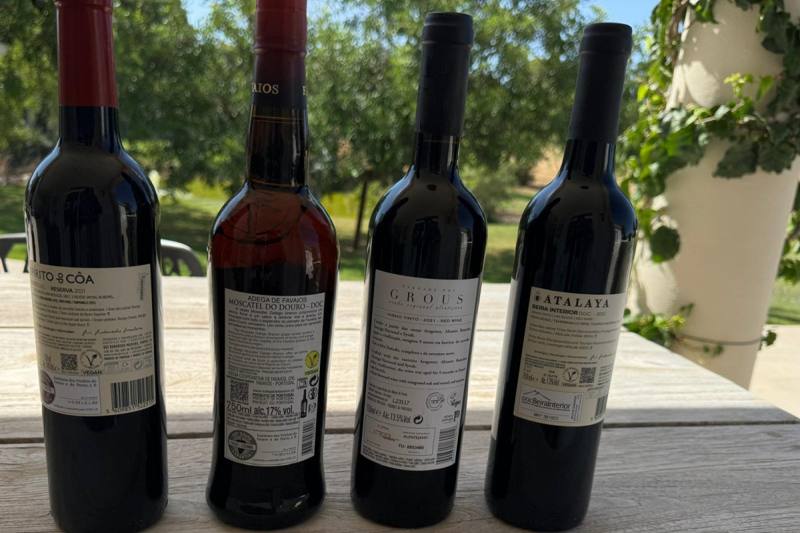
on the other hand, contain no animal products, not only in the wine itself but also throughout the production process. This means winemakers use alternatives to animal products, such as bentonite (a type of clay) or activated charcoal, to fine the wine. Vegan wines can be produced both organically and conventionally.
While Portugal is globally renowned for its wines, organic and vegan options still represent a relatively small portion of the market.
- Organic wines are estimated to account for 5-10% of the total wine production in Portugal. This percentage has steadily increased in recent years due to growing demand for sustainable and environmentally friendly products. More and more winegrowers are converting to organic practices, but it takes several years for the old soil to be "cleaned." Until that process is complete, they cannot officially label their wine as organic, even if it’s already 90% organic.
- Vegan wines are harder to quantify, but they are estimated to make up 2-5% of the Portuguese market. Many wines that meet vegan standards are not yet labeled as such, making them difficult to identify.
- Vegan and organic wines occupy a niche market. The share of wines that are both vegan and organic is estimated to be less than 2% of total production.
These figures may sound low, but they reflect a growing trend. Consumers are becoming increasingly aware of the impact their choices have on the environment and animal welfare, driving the demand for these special wines.
Personally visited & reviewed by Peter Cruiming